Women's Work and Politics in WWI America: The Munsingwear Family of Minneapolis
| SiteId | Sku | UnitPrice | Link |
|---|---|---|---|
| 48585 | 4046502296 | 69.99 | More Info |

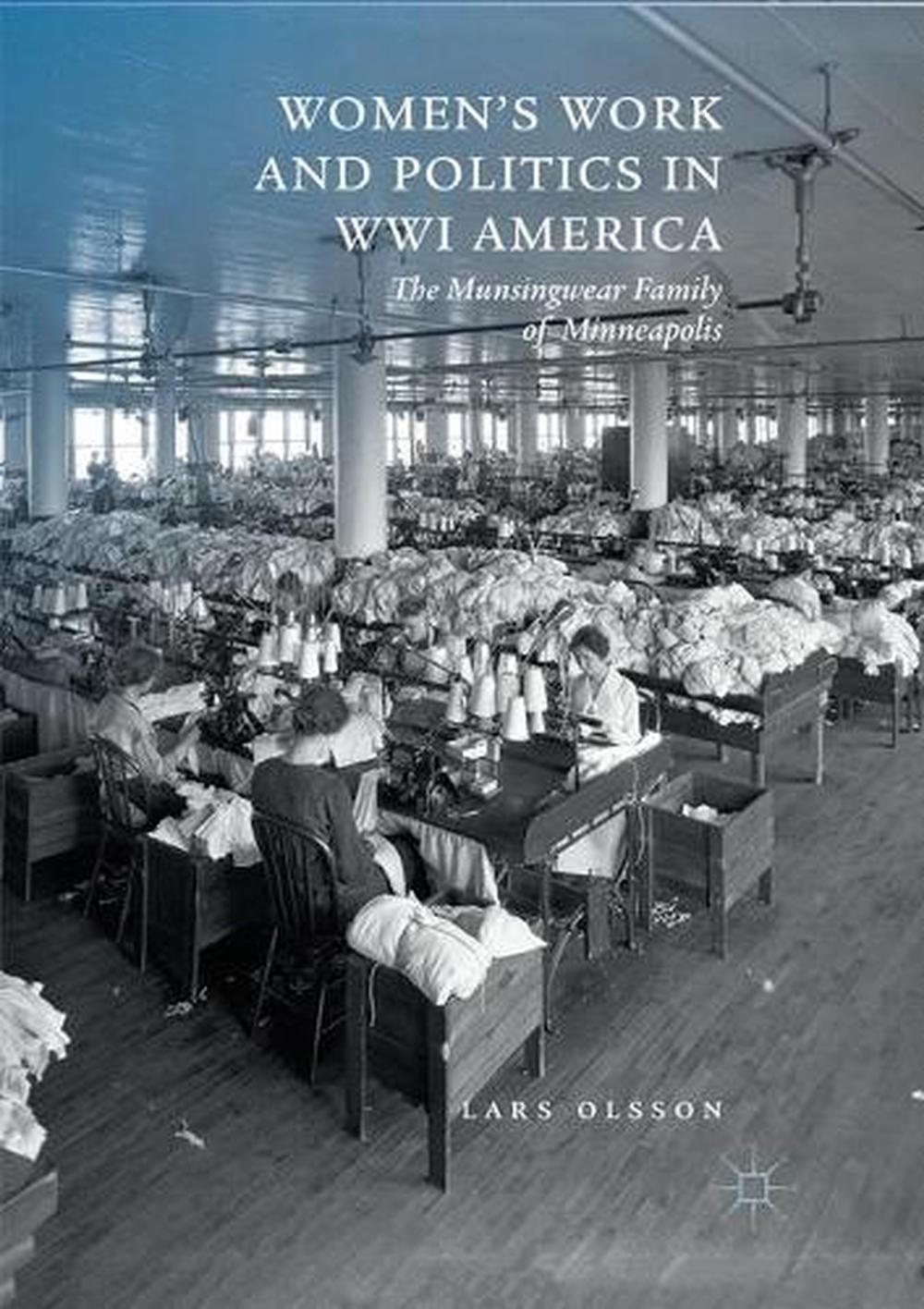
Women's Work and Politics in WWI America
by Lars Olsson
By World War I, the Northwestern Knitting Company was the largest workplace for gainfully employed women in Minnesota and the largest garment factory in the United States.
Paperback
English
Brand New
Publisher Description
By World War I, the Northwestern Knitting Company was the largest workplace for gainfully employed women in Minnesota and the largest garment factory in the United States. Lars Olsson investigates the interplay of class, gender, marital status, ethnicity, and race in the labor relations at the factory, illuminating the lives of the women who worked there. Representing thirty nationalities, particularly Scandinavian, the women worked long hours for low pay in roles that were strictly divided along ethnic and gendered lines, while the company directors and stockholders made enormous profits off of their labor. Management developed paternal strategies to bind the workers to the company and preempt unionization, including bonus programs, minstrel shows, and a pioneering industrial welfare program. With the US entry into the war, the company was contracted to produce underwear for soldiers, and management expanded the metaphor of "the Munsingwear Family" to construct not just company loyalty, but national loyalty. This book sheds new light on women's labor in WWI and the lives of textile workers in the United States.
Back Cover
By World War I, the Northwestern Knitting Company was the largest workplace for gainfully employed women in Minnesota and the largest garment factory in the United States. Lars Olsson investigates the interplay of class, gender, marital status, ethnicity, and race in the labor relations at the factory, illuminating the lives of the women who worked there. Representing thirty nationalities, particularly Scandinavian, the women worked long hours for low pay in roles that were strictly divided along ethnic and gendered lines, while the company directors and stockholders made enormous profits off of their labor. Management developed paternal strategies to bind the workers to the company and preempt unionization, including bonus programs, minstrel shows, and a pioneering industrial welfare program. With the US entry into the war, the company was contracted to produce underwear for soldiers, and management expanded the metaphor of "the Munsingwear Family" to construct not just company loyalty, but national loyalty. This book sheds new light on women's labor in WWI and the lives of textile workers in the United States.
Author Biography
Lars Olsson is Professor Emeritus of History at Linnaeus University, Sweden.
Table of Contents
1. Introduction.- 2. The Political Economy of Minneapolis.- 3. The Northwestern Knitting Company—Makers of Munsing Wear.- 4. Divided Work—Women and Men at Work for the Company.- 5. A Non-Union Shop.- 6. "The Munsingwear Family": Industrial Welfare and Paternalism.- 7. Progressivism and Social Work for Women in Minneapolis.- 8. One People, One Language, One Nation: "The Munsingwear Family".- 9. "The Munsingwear Family" of Minneapolis at War: Conclusions.
Long Description
By World War I, the Northwestern Knitting Company was the largest workplace for gainfully employed women in Minnesota and the largest garment factory in the United States. Lars Olsson investigates the interplay of class, gender, marital status, ethnicity, and race in the labor relations at the factory, illuminating the lives of the women who worked there. Representing thirty nationalities, particularly Scandinavian, the women worked long hours for low pay in roles that were strictly divided along ethnic and gendered lines, while the company directors and stockholders made enormous profits off of their labor. Management developed paternal strategies to bind the workers to the company and preempt unionization, including bonus programs, minstrel shows, and a pioneering industrial welfare program. With the US entry into the war, the company was contracted to produce underwear for soldiers, and management expanded the metaphor of "the Munsingwear Family" to construct not just company loyalty, but national loyalty. This book sheds new light on women's labor in WWI and the lives of textile workers in the United States.
Feature
Presents the first scholarly study of the Northwestern Knitting Company Highlights the importance of women's work for the US war effort during WWI Examines the strategies of the Northwestern Knitting Company to Americanize their female immigrant employees and prevent unionization
Details